







Social
Development Ministry Launches Occupational Rehabilitation Program Halls
Muscat,
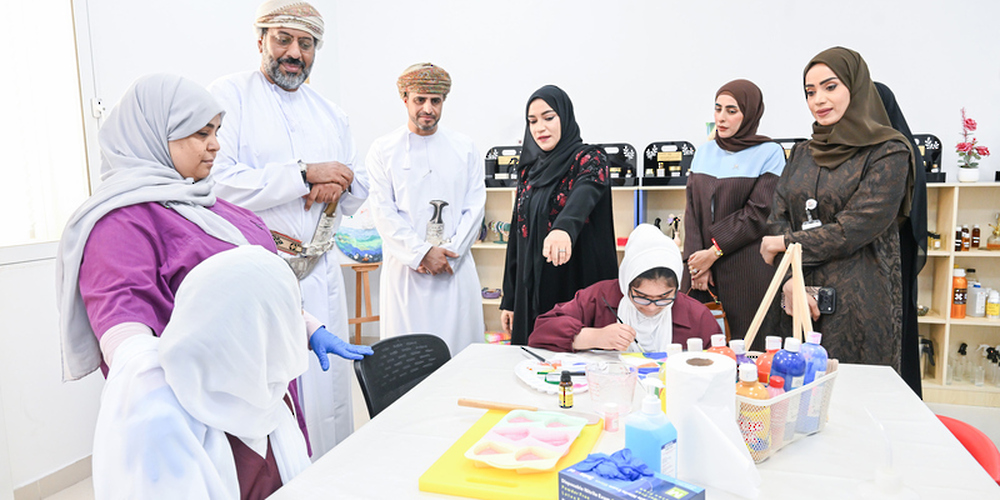
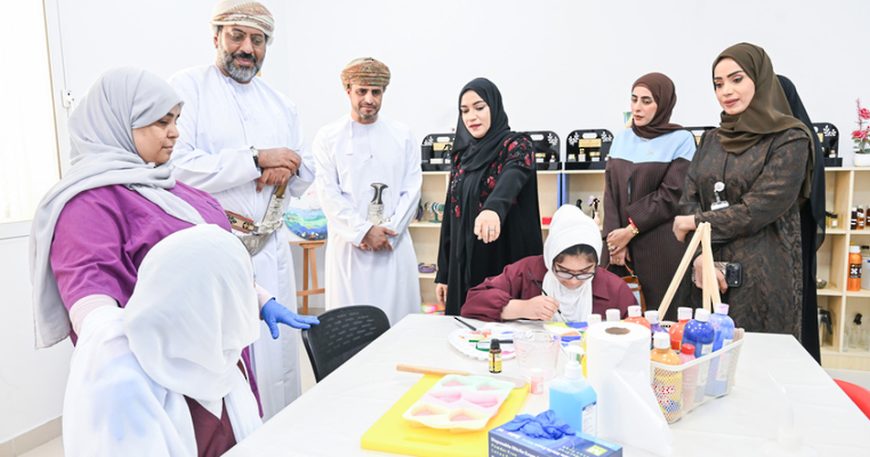
15 Oct 2026 (ONA) — The Ministry of Social Development launched today the halls
for the Occupational Rehabilitation Program for persons with severe and
multiple disabilities over the age of 18. The project was funded by Petroleum
Development Oman (PDO).
The
ceremony was held under the auspices of Dr. Abdullah Hamoud Al Harthy,
Undersecretary of the Ministry of Social Development for Persons with
Disability Affairs.
This
project comes within the framework of the Ministry’s efforts to develop
rehabilitation services and programs provided to persons with disabilities, and
to enhance opportunities for their empowerment and integration into society.
The project aims to enable persons with severe and multiple disabilities to
develop their independent capabilities and occupy their time with manual,
motor, and artistic activities suited to their abilities and needs, alongside
providing rehabilitation programs that take into account their age
characteristics and individual differences, and enhancing integration among
specializations and rehabilitation services provided to them.
More
than 100 cases of persons with severe and multiple disabilities enrolled in
centers affiliated with the Department of Specialized Rehabilitation Centers
benefit from the program’s halls, including the Physical Disability and
Cerebral Palsy Center, the Intellectual Disability Center, and the Down
Syndrome Center. The program also targets female technical assistants working
with this category by developing their skills in using modern rehabilitation
methods and strategies. Furthermore, the Ministry intends to transfer the
impact of the experience and application of the program to the remaining
government rehabilitation centers affiliated with the Ministry.
The
program includes a diverse range of rehabilitation activities that contribute
to developing life skills and self-care skills, psychomotor skills and group
play, alongside manual, practical, and vocational activities, drawing and
coloring, and artistic and musical skills, thereby enhancing beneficiaries’
self-reliance capabilities, granting them broader opportunities for societal
participation, and contributing to improving their quality of life.
The
halls also contribute to providing a safe and stimulating training and
rehabilitation environment that takes into account the capabilities and needs
of beneficiaries and supports service providers in implementing rehabilitation
programs in an integrated manner, in addition to their role in alleviating the
psychological burdens borne by families of persons with severe and multiple
disabilities by providing specialized and supportive rehabilitation services.
—Ends/AG